Hackney council rules for public flower displays and permits
Posted on 11/10/2026
If you are planning public flower displays in Hackney, the rules can feel a bit more complicated than they first look. A planter outside a shop, a floral installation for a community event, or a decorative display near a pavement might seem harmless enough, but once it sits on public land, touches a highway, or affects access, permits and permissions can quickly come into play. That is where understanding Hackney council rules for public flower displays and permits really matters.
In plain English: if your flowers are only on private property, you usually have more freedom. If they move into a public-facing space, especially on the street, pavement, verge, or any area people share, you need to think about consent, safety, maintenance, and how the display affects others. This guide walks through the process carefully, with practical examples, so you can plan something beautiful without creating avoidable headaches. And yes, there is a bit of paperwork involved. London likes paperwork.
Below, you will find a clear explanation of how the permission process tends to work, what factors councils normally care about, how to avoid common mistakes, and how to prepare a display that is both attractive and responsible. If you are balancing flowers, footfall, and public space, this should save you time.
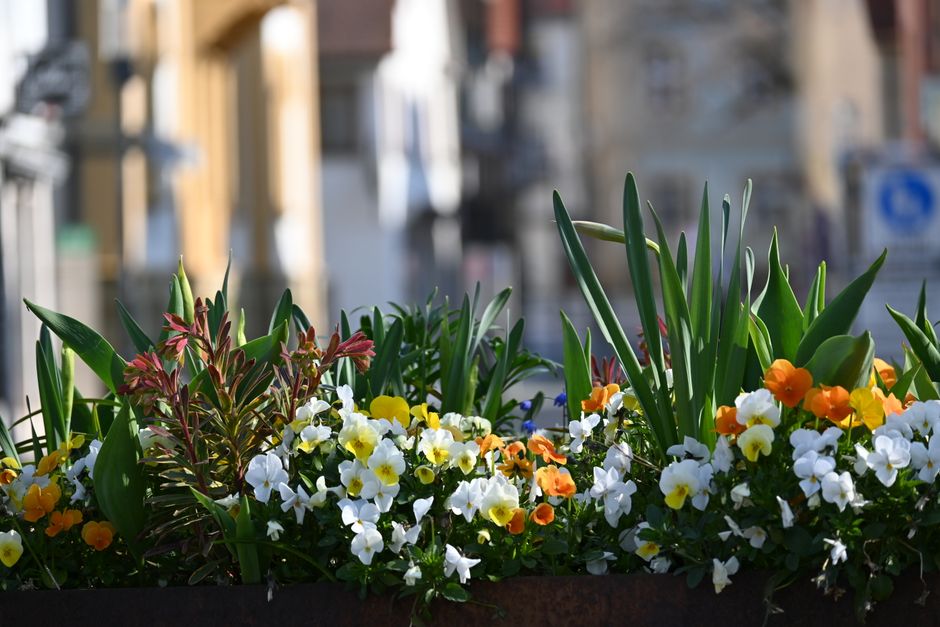
Why Hackney council rules for public flower displays and permits Matters
Public flower displays are not just decoration. In Hackney, they can affect pedestrian movement, accessibility, sight lines, cleaning schedules, emergency access, street furniture, and even how people use a pavement on a busy Saturday morning. A display that looks charming in a photo may behave very differently once it is placed outside a cafe, in a narrow street, or close to a bus stop.
The council's interest is usually practical rather than anti-flower. That is worth saying clearly. Authorities tend to focus on public safety, responsibility for upkeep, and unobstructed access. If a display creates a trip hazard, narrows the footway, blocks visibility for drivers, or sheds soil and water where people walk, it can become a problem very quickly.
There is also a reputational angle. Businesses, event organisers, and community groups often want to create a welcoming local feel. A well-planned floral display can make a street look cared for, seasonal, and inviting. A badly planned one can look lovely for a day and then become a damp, damaged obstacle by day three. Truth be told, councils see both versions.
In practice, the rules matter because they help you avoid:
- complaints from neighbours or passers-by
- delays to an event or activation
- requests to move or remove the display
- possible fines, enforcement action, or permit refusal
- wasted money on a display that cannot legally stay where it is
If your floral plan is part of a wedding, festival, shop frontage, memorial, corporate launch, or community celebration, getting the permissions right early is far easier than trying to fix a problem after the flowers have already arrived and the van is unloaded. You do not want to be standing on the pavement with buckets, ribbon, and a worried expression at 8:30 a.m., asking yourself what went wrong.
How Hackney council rules for public flower displays and permits Works
There is rarely one single rule that covers every floral display. Instead, the permission question usually depends on where the flowers will go, how long they will stay there, how large or fixed they are, and whether they affect public land or access. That is the basic logic behind most council decisions.
A small vase inside a private business window is a very different matter from a row of planters on a pavement edge or a large decorative arch straddling a public path. The more your display interacts with the public realm, the more likely it is that permission, a licence, or some form of approval will be needed.
For many people, the key question is simple: does this sit entirely on private land? If yes, you may have fewer council issues to deal with, though you still need to be careful about safety and leases. If not, or if part of the display extends into the street, you should assume you need to check the relevant permissions before proceeding.
In general, the council may consider the following:
- Location - pavement, road edge, park land, forecourt, or private property
- Size and footprint - how much space the display takes up
- Duration - one day, a weekend, a season, or longer
- Fixing method - temporary placement, anchoring, mounting, or installation
- Access impact - whether pedestrians, wheelchairs, prams, or emergency vehicles are affected
- Maintenance plan - who waters, cleans, monitors, and removes the display
- Public risk - trip hazards, broken containers, sharp edges, spillages, or falling items
That sounds like a lot, but it is mostly common sense. Councils are trying to make sure the street still works for everyone. A floral display should add charm without creating a bottleneck.
If you are planning more than a simple decorative arrangement, it can help to think in categories:
- Low-impact display - a few planters or flower buckets on private frontage.
- Medium-impact display - visible to the public, close to the edge of the pavement, may need consent or agreement.
- High-impact installation - anything fixed, oversized, suspended, or placed directly on public land.
The higher the impact, the more important the paperwork becomes. There is no magic trick here, annoyingly. The safest route is always to confirm in advance rather than rely on guesswork.
Key Benefits and Practical Advantages
Getting the correct permission is not just about avoiding trouble. It can actually make the project better. That may sound a bit bureaucratic, but it is true.
First, it gives certainty. Once you know what is allowed, you can design the display properly instead of building around assumptions. That means fewer changes later and a smoother installation day.
Second, it protects the budget. If a display is removed because it was not approved, the real cost is not just the flowers. It is labour, transport, replacements, and the time lost chasing a fix. Budgeting becomes much easier when the permission path is clear.
Third, it improves public safety. A compliant display is less likely to block foot traffic, collect puddles, or become a hazard in bad weather. In Hackney, where pavements can be busy and narrow in places, that matters more than people sometimes expect.
Fourth, it helps with reputation. Businesses and community organisers who handle permissions properly tend to be taken more seriously by neighbours, landlords, and the council. You look organised. Which, to be fair, never hurts.
Fifth, it supports longer display life. A well-structured setup is easier to maintain, water, clean around, and remove. That means the flowers look better for longer. And that is the point, after all.
| Approach | Best for | Typical risk level | Practical note |
|---|---|---|---|
| Private frontage only | Shop windows, courtyards, indoor lobby displays | Lower | Usually simpler, but still check lease and safety duties |
| Footway-adjacent display | Planters near entrances, seasonal street decor | Medium | Often needs permission or agreement because of access issues |
| Public land installation | Street flower beds, event installations, temporary displays in public space | Higher | Usually requires formal approval and a maintenance plan |
That table is a useful starting point, but each project still turns on its own details. A small arrangement in the wrong place can be more problematic than a bigger one tucked safely out of the way. Context matters. A lot.
Who This Is For and When It Makes Sense
This topic is relevant to a surprisingly wide group of people. Most people only think of florists, but the list is broader than that.
- Independent florists creating seasonal or promotional displays outside their shop
- Cafes, restaurants and pubs using flowers to soften frontage or mark an outdoor area
- Event organisers planning weddings, festivals, markets, pop-ups, or community celebrations
- Property managers and landlords improving shared entrances or forecourts
- Community groups arranging beautification projects or remembrance displays
- Corporate teams staging launches, openings, or branded public activations
It makes sense to check the rules when the display is visible from the street but not fully private, when people will walk close to it, or when you are using any object that could tip, spill, snag, or obstruct. In Hackney, that might mean a busy retail parade, a residential high street, or even a quiet corner that becomes lively at school pick-up time.
A common misunderstanding is that "temporary" means "unregulated". Not quite. Even a one-day installation can need approval if it sits on public land or changes the normal use of the space. A floral arch for a wedding photo spot, for example, may need more attention than a set of small table arrangements inside the venue. The setup duration is only one part of the picture.
If you are unsure whether your project falls into the low, medium, or high-impact category, assume the council will care more than you first think. That is not pessimism. It is just good planning.
Step-by-Step Guidance
The most reliable way to approach Hackney council rules for public flower displays and permits is to move from concept to permission to installation in a measured order. Rushing usually causes the avoidable problems.
1. Define the display clearly
Start with the basics. What is it, exactly? Is it a line of planters, a floral stand, a hanging arrangement, a window display, a memorial tribute, or a larger public installation? Write down the dimensions, materials, placement, and dates. If you cannot describe it clearly on paper, it will be hard to explain to anyone else.
2. Check whether the display touches public space
Look at where the flowers will sit in relation to the street, pavement, kerb, entrance, or communal access route. If any part of it enters public land or affects pedestrians, treat that as a permission issue until confirmed otherwise.
3. Consider access and safety early
Ask the practical questions before the roses are ordered. Can a wheelchair pass? Will the display be stable in wind? Is there a risk of water pooling on paving slabs? Can maintenance happen without blocking people? These are the kinds of issues that matter more than the colour palette, honestly.
4. Prepare a simple site plan
A clear sketch or layout is often useful. It does not need to be fancy. Mark the display position, width of clear walkway, entrances, nearby street features, and any barriers or weights. If the display is for a larger public event, photos of the location can help too.
5. Gather supporting details
Depending on the project, you may need information such as dates, hours of display, installation method, contact details for the responsible person, and how the display will be monitored or removed. It is better to have these ready before anyone asks.
6. Submit the request or seek the relevant approval
Send a complete request rather than a half-finished one. In our experience, incomplete submissions often lead to delays because the council has to come back with follow-up questions. That slows everything down. Nobody loves that. Nobody.
7. Keep records of any permission given
If approval is granted, keep it accessible to the person installing and maintaining the flowers. If a site manager, steward, or florist is changing shifts, make sure everyone knows what has been agreed. A printed note on-site can be useful during installation day.
8. Maintain and monitor the display
Approval is not the end of the job. You still need to keep the arrangement tidy, safe, and within the agreed footprint. If conditions change, such as strong wind or heavy rain, be ready to adjust or remove items quickly.
One simple rule helps here: if the display stops being safe, it stops being acceptable. Better to shorten it, weigh it down, or take it away than argue with gravity. Gravity always wins.
Expert Tips for Better Results
Small choices can make a big difference to how a display is viewed by both the public and the council. The following tips come from the kind of issues people usually only learn after a stressful first attempt.
- Keep circulation space generous. Do not design to the legal minimum if you can avoid it. A little extra room feels much better for everyone.
- Choose containers that are stable and weather-appropriate. Lightweight pots can tip over in gusts, especially near open corners or passing traffic.
- Avoid trailing stems or dangling decorations where people may brush past them.
- Use drip trays or tidy watering routines so the pavement does not become slippery.
- Match the display to the setting. In a tight pedestrian area, a compact arrangement is usually smarter than something tall and dramatic.
- Plan for removal as carefully as installation. The end of an event is when things get messy if nobody has thought ahead.
- Assign one responsible person. Shared responsibility often means unclear responsibility, and that is where things wobble.
Another useful point: choose flowers and foliage that can cope with the local conditions. A sunny south-facing frontage is not the same as a shaded, windier street corner. You will notice the difference by lunchtime if the plants have picked the wrong place. A display should be beautiful, yes, but it should also be realistic.
For larger or recurring projects, build a template pack with a site plan, maintenance notes, contact details, and a standard checklist. That saves a surprising amount of time the second or third time around.
Expert summary: the best public floral displays in Hackney are usually the ones that look effortless because the planning behind them was disciplined. The flowers get the attention; the permission work keeps them there.
Common Mistakes to Avoid
Most problems with public floral displays are not dramatic. They are ordinary, preventable, and slightly annoying. That is the bad news. The good news is that they are easy to avoid once you know what to watch for.
- Assuming a display is "too small to matter". Small can still be an obstruction if it is in the wrong place.
- Leaving permission checks until the last minute. This is the classic one. It usually creates stress and poor choices.
- Ignoring wind, rain, and daily foot traffic. A calm-looking street at 9 a.m. can be a very different place by 4 p.m.
- Not assigning maintenance. If nobody waters or tidies the arrangement, it can go downhill fast.
- Overcrowding the pavement. What looks decorative from one angle may feel cramped to someone pushing a buggy.
- Using fragile items without thinking through breakage. Broken ceramic and glass do not belong in a public walkway.
- Failing to remove displays promptly. Temporary decorations that overstay their welcome become a nuisance.
One mistake worth calling out separately is treating the council as if it only cares about aesthetics. It does not. Safety and accessibility usually come first. Once you understand that, the whole process makes more sense.
Tools, Resources and Recommendations
You do not need a huge toolkit, but a few practical items make the process much smoother. Think simple, not fancy.
- Measuring tape for checking clear widths and display footprint
- Phone camera to record the site before and after setup
- Printed site plan or marked-up sketch for approvals and installers
- Weather app or local forecast check before installation day
- Stable containers with weights or secure bases if needed
- Waterproof tags or notes with the responsible contact person
- Maintenance kit for scissors, ties, spare cable ties, cloths, and watering gear
For readers who are choosing flowers for a public-facing display, the site itself should guide the style. A soft seasonal palette works well in many settings, while a more structured arrangement can suit a formal frontage. If you are deciding on longer-lasting blooms or easy-care arrangements, it can also help to review practical care guidance such as flower care advice before making final selections.
If your display is part of a broader floral order, you may also want to compare the type of arrangement with the occasion. For a formal event or a shop launch, a more polished presentation may fit better than a loose hand-tied style. The right choice depends on context, not just taste.
Some useful internal pages for general planning, delivery timing, and business support can also help you organise the wider order around the display, including delivery information, about the florist, and corporate accounts if you are coordinating multiple sites or regular installations.
Law, Compliance, Standards, or Best Practice
Because public flower displays can overlap with street use, access, and occupier responsibility, it is wise to approach them as a compliance-led project rather than a decorative afterthought. The exact permission route may vary depending on the display type, location, and duration, so careful checking is essential.
At a practical level, compliance usually means thinking about:
- public access - keeping paths reasonably clear for pedestrians and wheelchair users
- trip and slip hazards - avoiding loose items, trailing materials, and spillages
- structural stability - especially for taller or wind-sensitive installations
- maintenance responsibility - naming who checks, waters, and removes the display
- local permissions - making sure any street or public-space use is approved before installation
If the display is attached to a building, sits near a lease boundary, or involves a shared frontage, other property or landlord rules may also apply. That can get messy, admittedly. A council may be only one part of the picture. In larger projects, you may need to coordinate with building management, event organisers, insurers, or the landowner as well.
The safest best-practice approach is straightforward:
- Confirm whether the flowers are in public or private space.
- Check whether any licence, consent, or written approval is needed.
- Prepare a site-specific risk assessment if the display is more than decorative.
- Keep access routes open and obvious.
- Review the display regularly while it is in place.
That may sound a bit formal for flowers, but public space is public space. The lovely part is that good practice usually improves the look of the display too. Safer arrangements tend to be neater arrangements.
Options, Methods, or Comparison Table
If you are deciding how to present flowers publicly in Hackney, it helps to compare the common formats before you choose a direction. One size does not fit all, and there is a big difference between a flower bucket and a full installation.
| Option | Pros | Cons | Best use case |
|---|---|---|---|
| Window display only | Low public risk, easier to manage, often no street impact | Less visible from the pavement | Retail fronts and indoor promotions |
| Planters at the frontage | Attractive and flexible, can soften a shop entrance | May affect pavement width | Small businesses with enough frontage space |
| Temporary event installation | High visual impact, great for launches or celebrations | Usually needs more planning and approval | Weddings, festivals, seasonal events |
| Fixed public-land display | Longer lasting, can become a local landmark | Highest compliance burden and maintenance needs | Community projects or formal public enhancements |
If you are weighing up a simple frontage display against a more elaborate installation, ask yourself a practical question: will this still look good and function well after three wet afternoons and a busy Saturday? That question tends to separate the nice idea from the robust idea.
For most businesses, the sweet spot is usually a contained display that delivers visual impact without crossing into complicated public-space territory. That is often where the least stress lives.
Case Study or Real-World Example
Consider a small cafe on a lively Hackney street planning a spring floral feature for two weeks. The owner wants bright seasonal blooms outside the entrance, with a few planters to make the doorway feel warmer and more inviting. On paper, it sounds simple. In reality, the pavement is already busy with people passing, a cycle parked nearby, and a narrow strip of walking space.
Before ordering the flowers, the team measures the frontage, checks the walking route, and decides the display must stay tight against the building rather than spreading out. They prepare a basic plan showing the exact placement, note who will water the plants, and make sure the containers are heavy enough not to tip. They also choose varieties that look good but are not excessively delicate, because a display facing the street needs to cope with changing weather and the odd elbow from a passer-by.
The result is a tidy, manageable feature that supports the cafe's spring promotion without creating access issues. That is the kind of outcome you want. Nothing flashy in the admin, maybe, but the public sees a pleasant front, the staff are not worried about enforcement, and the flowers last long enough to do their job.
Now compare that with a second scenario: a larger decorative arch placed partly into the walkway for a one-day event without checking permissions. Even if it looks impressive for the first hour, it can become a liability quickly if it narrows the pavement or forces people to step into the road. Same broad idea, very different risk profile.
The lesson is simple enough. The prettiest display is not always the best one. The best one is the one that fits the space, respects the rules, and survives real-world use.
Practical Checklist
Use this checklist before you place any public-facing floral display in Hackney. It is the kind of list that saves a lot of back-and-forth later.
- Have you confirmed whether the display is on private or public land?
- Do you know if a permit, licence, or written approval is needed?
- Have you measured the width of the remaining walkway?
- Will wheelchairs, prams, and pedestrians still pass comfortably?
- Is the display stable in wind and bad weather?
- Have you chosen containers that will not easily tip or break?
- Is there a named person responsible for watering and upkeep?
- Do you have a removal plan with a clear end date?
- Have you considered neighbour and business access nearby?
- Do you have photos or a simple site plan ready if asked?
- Is the display free from sharp edges, loose parts, or spill risks?
- Have you told everyone involved what has been approved?
If you can tick most of those off, you are in a far better place than the average last-minute setup. And that is before the first bloom has even opened.
Get a free quote today and see how much you can save.
Conclusion
Hackney council rules for public flower displays and permits are really about balance: making public spaces attractive while keeping them usable, safe, and fair for everyone else. That is the heart of it. If your display stays on private ground, the process may be simpler. If it touches public land or affects access, the need for permission becomes much more important.
The good news is that the process is manageable when you break it into clear steps. Define the display, check the location, think about access, prepare a plan, and confirm any approvals before installation. Do that, and you will avoid most of the pain points that trip people up. A little planning goes a long way here, really.
If you are aiming for a display that looks lovely and stays compliant, focus on clarity, stability, and maintenance. That combination tends to work. And when the flowers are in place and everything feels calm for once, the effort fades into the background, which is exactly where it should be.
There is something quietly satisfying about a well-placed display on a Hackney street on a bright morning. It softens the hard edges, catches the eye, and makes the whole area feel a touch more alive. Worth doing properly.
Frequently Asked Questions
Do I need permission for public flower displays in Hackney?
If the flowers are on public land, affect the pavement, or change how people use the space, permission is often needed. If they stay entirely on private property, the rules may be simpler, but it is still wise to check any landlord or safety requirements.
What counts as a public flower display?
Anything visible to the public is not automatically a public display. The key issue is whether it sits in or affects public space. A planter in a shop window is usually different from planters placed on the pavement outside the door.
How far in advance should I check for permits?
As early as possible. For simple displays, a short lead time may be enough, but for larger or more visible installations, leaving it late can delay the project. If there is any doubt, start the process before ordering the flowers.
Can I place flower pots outside my business in Hackney?
Possibly, but it depends on where the pots sit and whether they reduce access or use public land. Even a small pot can become an issue if it narrows a busy pavement or creates a hazard.
Are temporary floral displays treated differently from permanent ones?
Yes, often they are. Temporary displays may still need approval if they occupy public space, but councils may look at them differently from fixed installations. The duration matters, but it does not remove the need for permission on its own.
What information will I usually need for an application?
Expect to provide a description of the display, its size, location, dates, maintenance arrangements, and sometimes a site plan or photographs. The more clearly you explain the setup, the easier it is for someone to assess it.
What happens if I put up a display without checking first?
The council may ask you to move or remove it, and you may face delays or enforcement action depending on the situation. It is much easier to check first than to explain later why the flowers are already in place.
Do I need insurance for a public flower display?
Often, yes, or at least some form of public liability cover may be expected for larger or higher-risk installations. The exact requirement can depend on the nature of the project and who is responsible for the site.
How do I keep a flower display safe in bad weather?
Use stable containers, avoid loose items, check fixings, and be ready to adjust or remove the display if wind or rain creates risk. Public displays should be monitored, not just installed and forgotten.
What is the biggest mistake people make with public floral displays?
The most common mistake is underestimating the impact on access. A display can look modest on a sketch but still interfere with pedestrians, wheelchairs, or daily movement once it is actually placed on the street.
Can community groups and small charities apply too?
Yes, in many cases community organisations can apply or seek permission for decorative public displays. The same basic concerns still apply: location, safety, maintenance, and public access.
Is a simple shopfront flower arrangement likely to need a permit?
Not always. If it stays within private boundaries and does not affect the public realm, a permit may not be necessary. But if it sits close to the pavement or extends outward, it is sensible to check before installation.


