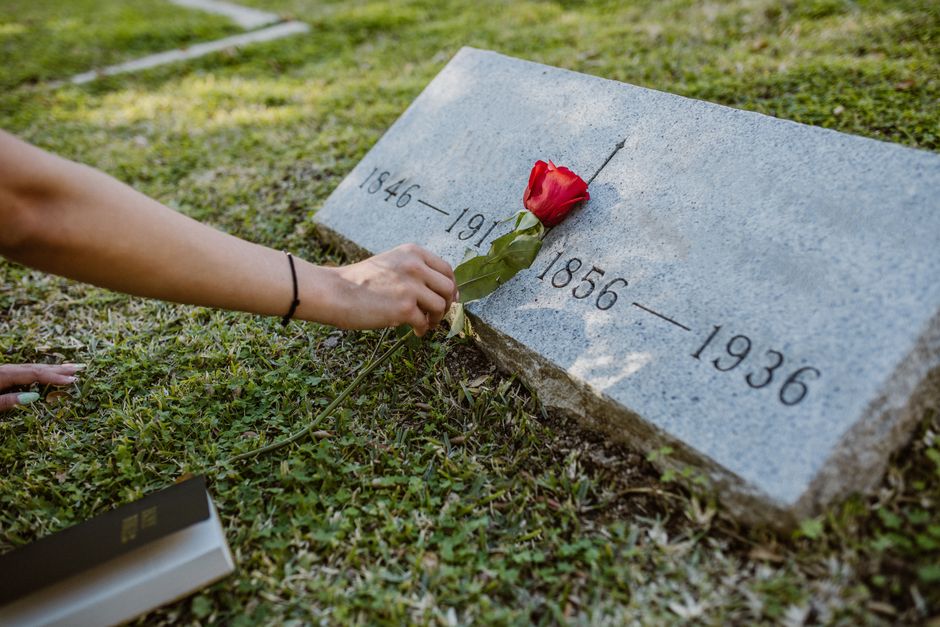
What Hackney council allows for funeral flowers at cemeteries
Posted on 27/10/2026
If you are trying to arrange funeral flowers in Hackney, there is a good chance you are doing it at a sensitive moment, with very little time and a lot on your mind. That is exactly why understanding what Hackney council allows for funeral flowers at cemeteries matters. A simple bouquet can feel like a small thing, but at a graveside it carries weight, meaning, and often family expectations too.
The short version: cemetery rules are usually about keeping the grounds respectful, safe, and manageable for everyone. What is allowed can depend on the cemetery, the type of memorial area, and whether you are placing flowers at a burial plot, a cremation memorial, or a communal space. In this guide, we break that down in plain English, along with practical tips, common mistakes, and a few things people often only learn after they have already arrived at the gates. Bit annoying, truth be told.
You will also find a simple checklist, a comparison table, and answers to the questions people ask most often when they are trying to plan flowers for a funeral or memorial visit in Hackney.
Contents
- Why these cemetery flower rules matter
- How cemetery flower rules usually work in Hackney
- Key benefits and practical advantages
- Who this is for and when it makes sense
- Step-by-step guidance
- Expert tips for better results
- Common mistakes to avoid
- Tools, resources and recommendations
- Law, compliance, standards, and best practice
- Options, methods, and comparison table
- Case study or real-world example
- Practical checklist
- Conclusion
- Frequently asked questions
Why What Hackney council allows for funeral flowers at cemeteries Matters
When someone dies, flowers are not just decoration. They are part of the farewell. They say things that are hard to say out loud: love, grief, respect, apology, memory. That is why the practical rules around cemetery flowers matter more than people sometimes expect.
In Hackney, as in most London boroughs, cemeteries need to balance personal remembrance with shared public space. That means there may be limits on where flowers can be left, how long they can stay, and what sort of tributes are acceptable. A family might want a large floral spray, while the cemetery may only allow certain arrangements on or around a grave, or may remove items after a period if they become damaged or create maintenance issues.
These rules matter for a few reasons:
- They protect the cemetery grounds from clutter, blocked access, and trip hazards.
- They help staff maintain the site without damaging memorials or nearby plots.
- They keep tributes respectful for other families visiting the cemetery.
- They avoid disappointment on the day, especially if you have travelled with flowers and are under pressure.
There is also a very human side to it. People often arrive with flowers in hand, stand quietly for a moment, and only then realise there is a notice about what can be placed where. It is the kind of detail nobody wants to discover at the last minute. So a bit of advance understanding goes a long way.
Expert summary: the safest approach is to choose a respectful, compact tribute, check the cemetery's local instructions before the day, and assume that anything oversized, fragile, or likely to shed debris may be restricted or removed later.
How What Hackney council allows for funeral flowers at cemeteries Works
The practical answer is that cemetery flower rules usually work on a site-by-site basis. A council may oversee multiple burial grounds or cemetery areas, and each one can have its own expectations. So rather than one universal rule for every location, you are usually dealing with a set of local conditions.
In general, cemetery flower guidance may cover:
- Where flowers can be placed - on a grave, near a memorial stone, in a designated area, or not directly on certain communal memorials.
- What type of tribute is suitable - bouquets, wreaths, sprays, posies, baskets, or smaller arrangements.
- How long flowers can remain - fresh flowers may be accepted for a period, after which fading or damaged items may be removed during routine maintenance.
- What materials are not suitable - loose glitter, plastic waste, sharp decorations, glass containers, or anything that creates risk or litter.
- Whether there are limits for memorial areas - some spaces are managed more strictly than individual graves.
Here is the key thing: the cemetery is usually trying to keep the site tidy and safe without stopping families from showing respect. That balance is the whole point. So if you are wondering whether a classic white wreath, a simple posy, or a sympathy spray is suitable, the answer is usually "yes, if it fits the cemetery's local requirements and the memorial setting."
If you want to arrange flowers in a way that feels appropriate and low-stress, a dedicated funeral range such as funeral flowers in South Hackney is often the simplest place to start. It keeps the choice focused on tribute styles that are already designed for these situations.
In practice, families often choose one of three approaches:
- Direct tribute - flowers for the service or graveside placement on the day.
- Ongoing remembrance - a smaller arrangement that can sit at the grave for a little longer.
- Shared family tribute - one larger design from everyone, instead of several separate arrangements.
That last one is common. It saves duplication, and it can look more composed at the graveside. Less fuss. More meaning.
Key Benefits and Practical Advantages
Knowing the rules before you order or take flowers to the cemetery has several practical benefits, and honestly, it makes the whole day feel a bit steadier.
- Less risk of rejection or removal - you are less likely to place something that does not comply with local expectations.
- Better emotional flow on the day - one less thing to worry about when the day is already heavy.
- More suitable tribute selection - you can choose the right style, colour palette, and size for the site.
- Cleaner presentation - a well-chosen arrangement looks more dignified in photos and in person.
- Lower waste and fewer wasted costs - especially if you avoid over-large pieces that may not be allowed.
There is also a subtle benefit that people do not always talk about: peace of mind for family members. If one person has handled the flowers and has checked the cemetery expectations in advance, everyone else gets to focus on being present, which is what matters most. Not glamorous, but very real.
For families choosing a tribute from a local florist, browsing a wider range of sympathy options such as sympathy flowers can help you compare smaller posies, wreaths, sprays, and basket arrangements without losing sight of what is actually suitable for a cemetery setting.
Who This Is For and When It Makes Sense
This guidance is useful for anyone arranging flowers for a burial, memorial visit, graveside service, or remembrance day in Hackney. But it is especially helpful if you are in one of these situations:
- You are organising a funeral at short notice.
- You are sending flowers from another part of London or the UK.
- You are not sure whether a cemetery allows large tributes.
- You are choosing between a wreath, spray, posy, or bouquet.
- You need flowers to look respectful but not overly formal.
- You are buying on behalf of several family members.
It also makes sense if you are managing different cultural expectations. Some families prefer very traditional funeral flowers. Others may want something quieter, personal, or symbolic. And sometimes the family is trying to balance a religious custom with cemetery rules that are a little more practical than ceremonial. That can be tricky, to be fair.
If you are sending flowers rather than bringing them yourself, delivery timing matters. A local option like flower delivery in South Hackney can make it easier to coordinate arrival for the service or cemetery visit, especially when traffic or timing in London is behaving like, well, London.
People often underestimate how much easier things go when the flowers are chosen with the cemetery in mind. You do not need the biggest arrangement. You need the right one.
Step-by-Step Guidance
Here is a sensible way to approach funeral flowers for a Hackney cemetery without making the process harder than it needs to be.
-
Check the cemetery guidance first.
Start by confirming the local rules for the specific cemetery or burial area. Ask whether flowers are allowed at the grave, whether there are any limits on size or materials, and how long tributes may remain in place.
-
Choose an arrangement that suits the setting.
Small and medium arrangements are usually the safest choice. Wreaths, sprays, and posies are common funeral designs because they sit neatly and are easy to place. If the grave is in a shared or tightly managed area, keep it simple.
-
Keep the design practical.
Avoid fragile add-ons, loose decorations, and anything likely to tip over in wind or rain. On a breezy day in East London, even a lovely arrangement can behave badly if it is too light. We have all seen that happen.
-
Add wording only if it feels right.
Many people choose a short card message such as "With love," "Always remembered," or "Forever in our hearts." If the tribute is going directly to the cemetery, a simple card is usually enough.
-
Plan delivery or collection carefully.
If you are arranging delivery, make sure the timing fits the service or graveside visit. If you are collecting the flowers yourself, leave enough time for travel and parking. That extra 15 minutes matters more than you think.
-
Check placement on arrival.
Follow any cemetery instructions about where to leave the flowers. If the area is crowded or well maintained, place them neatly and avoid blocking access for other visitors or staff.
-
Expect maintenance visits later.
Fresh flowers usually look best for the first few days, then gradually fade. Cemetery staff may remove old or damaged items as part of routine grounds care. That is normal, not a slight.
A practical note: if you are unsure, call the cemetery or the florist before you order. Two minutes of checking can save a lot of upset later. Really.
Expert Tips for Better Results
After years of helping people choose flowers for difficult occasions, a few patterns become obvious. The best outcomes usually come from calm choices, not dramatic ones.
- Pick colours that feel intentional. White is still a classic funeral choice for purity, peace, and simplicity. Soft pink, cream, lavender, and gentle mixed shades are also common if the family wants something warmer.
- Match the tribute to the person. A bold wreath may suit someone who loved flowers and colour. A simple white sheaf may suit someone who preferred quiet elegance. The tribute should feel like them.
- Think about weather. Rain and wind are not kind to delicate designs. A compact, well-bound arrangement is often a better choice than something airy and loose.
- Keep it readable. If you are adding a card or ribbon, the message should be short and easy to read from a standing position.
- Order slightly earlier when you can. Especially during busy periods, a little lead time helps with flower choice and delivery reliability.
One small but useful tip: if the grave or memorial area is likely to be visited by several family members, choose a style that looks finished from every angle. A wreath or basket is often easier for that than a bouquet in a vase. Not always, but often.
For colour ideas, a local florist with a broad mix such as white flowers, mixed colours, or purple arrangements can help you adapt the tribute to the person being remembered without drifting away from cemetery-appropriate styling.
And a gentle reminder: more flowers does not always mean more meaning. Sometimes the most touching tribute is the one that looks calm, thoughtful, and quietly certain.
Common Mistakes to Avoid
There are a few mistakes that come up again and again. None of them are dramatic, but they can create hassle at exactly the wrong moment.
- Assuming every cemetery has the same rule. It does not. One site may be relaxed, another more controlled.
- Choosing an oversized tribute without checking space. A big spray can look beautiful, but if the grave area is compact, it may be awkward or unsuitable.
- Using fragile or messy decorations. Anything that sheds glitter, breaks easily, or blows around is a poor fit for a cemetery.
- Ignoring timing. Flowers left too early can wilt before the service; flowers delivered too late can miss the moment entirely.
- Forgetting shared family preferences. Someone may prefer lilies, while another family member finds them too strong in scent. That kind of thing matters more than people think.
- Not planning for removal. If the flowers are going to stay in place for a while, choose something that will age gracefully.
There is also one quiet mistake that happens often: ordering a tribute by size alone, without thinking about the cemetery setting. A large arrangement can be lovely in the shop and a bit much beside a grave. The better question is not "How big can it be?" but "What will look right there?"
Tools, Resources and Recommendations
You do not need a complicated system, but a few practical tools make the process easier.
- Notes app or checklist - jot down the cemetery name, service time, placement instructions, and who is receiving the flowers.
- Photo reference - if the family has a strong idea of style, a simple reference image can help avoid misunderstandings.
- Delivery details - make sure the florist has the right date, contact name, and any access notes.
- Backup message - if you cannot decide on wording, keep it brief. Something heartfelt and plain often works best.
If you are choosing a local florist, look for one that offers clear product categories for bereavement and remembrance, not just generic bouquets. Pages such as wreaths, sprays, and baskets and posies are especially useful because they make the style easier to compare at a glance.
It can also help to review delivery information before you place an order, especially if the flowers need to arrive close to the service time. A clear delivery page usually answers practical questions about timing, fees, and process without making you hunt around.
For upkeep after the day, a simple care guide can be surprisingly useful. Even sympathy arrangements last longer with a bit of water and a cool spot during transport. Small thing, big difference.
Law, Compliance, Standards, or Best Practice
Strictly speaking, cemetery flower rules are usually a matter of local cemetery management rather than a single universal law that covers every detail. That means the most reliable source is the cemetery's own guidance or the council notice for the site you are visiting. The exact restrictions can vary.
What you can generally expect, though, is a standard of care built around the following best-practice ideas:
- Respect for other graves and visitors - no placement that blocks access or damages surrounding memorials.
- Health and safety - no sharp, unstable, or breakable items left in communal areas.
- Grounds maintenance - arrangements should not make mowing, cleaning, or routine site care difficult.
- Waste reduction - families are often encouraged to avoid unnecessary non-biodegradable items.
Good practice also means being realistic about how fresh flowers behave. A tribute that starts beautifully can become untidy quickly if it is too delicate for the weather or the placement. It is not about being strict for the sake of it. It is about keeping the cemetery dignified and manageable for everyone who comes after you.
Where flowers are part of a funeral service, funeral directors and florists often work to local expectations rather than making assumptions. That is usually the safest route. And if you are ever unsure, ask. There is no shame in that at all.
Options, Methods, or Comparison Table
Below is a simple comparison of common funeral flower choices and how they tend to work in cemetery settings.
| Flower option | Best for | Why it works well | Things to watch |
|---|---|---|---|
| Wreath | Formal tributes, service-day display, family group flowers | Structured, respectful, and easy to recognise as a funeral tribute | Can be too large for some grave spaces if not chosen carefully |
| Spray | Coffin tributes and graveside remembrance | Elegant and traditional, often sits neatly | Needs stable placement and may not suit every memorial layout |
| Posy | Smaller graves, individual family visits, simple remembrance | Compact and easy to place | Can feel small if a large family tribute is expected |
| Basket | Longer-lasting memorial visits, simpler cemetery placement | Stays contained and usually looks neat | Needs the right watering and may dry out in warm weather |
| Wreath with ribbon message | Personal tribute with wording | Readable and highly customary for funerals | Keep the message short and legible |
In real life, the best option is often the one that balances sentiment with practicality. You can be deeply respectful without going elaborate. In fact, that often works better.
Case Study or Real-World Example
Here is a typical example, based on a very common kind of family arrangement.
A family in Hackney needed flowers for a cemetery burial on a Friday morning. Several relatives wanted to contribute, and nobody had the energy for a long debate about styles. One person thought they should send a large wreath; another wanted something simple and white. In the end, they chose a modest white and green tribute with a short ribbon message, plus a smaller posy for the family to place later at the grave.
That choice worked because it did three things well:
- It fit the cemetery setting without looking oversized.
- It gave the family a main tribute and a more personal second piece.
- It reduced stress on the day, because no one had to argue with the layout or wonder whether the flowers would be acceptable.
Someone later said the flowers looked "quietly right," which is a lovely phrase and, honestly, about as good a goal as there is for funeral flowers. Not showy. Not plain. Just right.
This is where a local florist can be very helpful. If you are browsing options like sympathy sprays or funeral arrangements, you can usually find designs that are already suited to graveside use and less likely to clash with cemetery rules.
Practical Checklist
Use this checklist before you order or take flowers to a Hackney cemetery.
- Have I checked the cemetery's own flower guidance?
- Do I know where the flowers should be placed?
- Is the arrangement size suitable for the grave or memorial space?
- Have I avoided fragile, messy, or non-biodegradable decorations?
- Will the flowers survive the weather and travel?
- Have I chosen colours and style that feel appropriate to the person?
- Is the delivery or collection timed correctly for the service?
- Have I added a short card message if needed?
- Do all family members know what is being sent?
- Am I happy with what will happen if the flowers remain in place for several days?
If you can tick most of those off, you are in a good place. No need to overcomplicate it.
Conclusion
What Hackney council allows for funeral flowers at cemeteries is really about respect, suitability, and common sense. The exact details may vary by cemetery, but the general idea stays the same: choose a tribute that is dignified, easy to manage, and appropriate for the site. Fresh flowers, simple designs, and thoughtful placement tend to work best.
If you remember just one thing, let it be this: the most meaningful funeral flower tribute is not always the biggest one. It is the one that feels considered, calm, and right for the place it is going. That kind of choice stays with people.
Get a free quote today and see how much you can save.
And if this is a hard moment for you, that is completely understandable. Take it one step at a time, keep things simple where you can, and trust that a thoughtful tribute is enough.
Frequently Asked Questions
What funeral flowers are usually allowed in Hackney cemeteries?
Most cemeteries will allow standard funeral arrangements such as wreaths, sprays, posies, baskets, and bouquets, provided they are suitable for the grave or memorial area. The exact rules depend on the cemetery itself, so it is best to check before you order.
Can I leave flowers directly on a grave?
Often, yes, but it depends on the cemetery and the specific plot. Some areas allow direct placement on a grave, while others prefer flowers to be placed in a designated spot or in a way that does not block maintenance access.
How long can funeral flowers stay at the cemetery?
That varies by site. Fresh flowers are usually left for a period before they fade, and cemetery staff may remove old or damaged items during routine upkeep. If you want flowers to stay longer, choose a design that will age well.
Are wreaths allowed at Hackney cemeteries?
Wreaths are commonly used funeral tributes and are often allowed, but their size and placement need to suit the cemetery setting. A smaller, more compact wreath is usually a safer choice if you are unsure.
What colour flowers are best for a funeral?
White remains the most traditional choice, but soft pink, cream, purple, and mixed muted tones are all common. The best colour is the one that fits the person being remembered and feels appropriate to the family.
Can I send funeral flowers if I cannot attend the cemetery?
Yes. Many people send flowers directly to the funeral service or to the family. If timing matters, make sure the delivery is arranged for the correct day and location.
What should I write on a funeral flower card?
Keep it short and sincere. Simple messages such as "With love," "Forever remembered," or "Thinking of you" are often the most natural. If the family is close, a personal name or short phrase can make it feel more meaningful.
Are artificial flowers allowed in cemeteries?
Some cemeteries may allow them, while others prefer fresh flowers only or limit non-biodegradable items. If artificial flowers are permitted, they should still look respectful and be securely placed. Always check the site guidance first.
What is the safest type of tribute if I am unsure?
A compact posy, a modest wreath, or a simple spray is usually the safest route. These designs are traditional, respectful, and less likely to cause problems with space or maintenance.
Can I take flowers on the day of the funeral and leave them later?
Usually yes, if the cemetery allows it and the flowers are appropriate for the location. It is wise to check timing and placement beforehand so the tribute can be left neatly without causing disruption.
Do I need to ask permission before placing flowers at a grave?
In many cases, family members can place flowers without special permission, but the cemetery's rules still apply. If the memorial area is shared or managed differently, it is sensible to ask first rather than assume.
Where can I find funeral flower options that suit cemetery rules?
Look for a florist range that is specifically built for sympathy and remembrance occasions. That way, the arrangements are already designed with funeral use in mind and are more likely to suit cemetery expectations.